
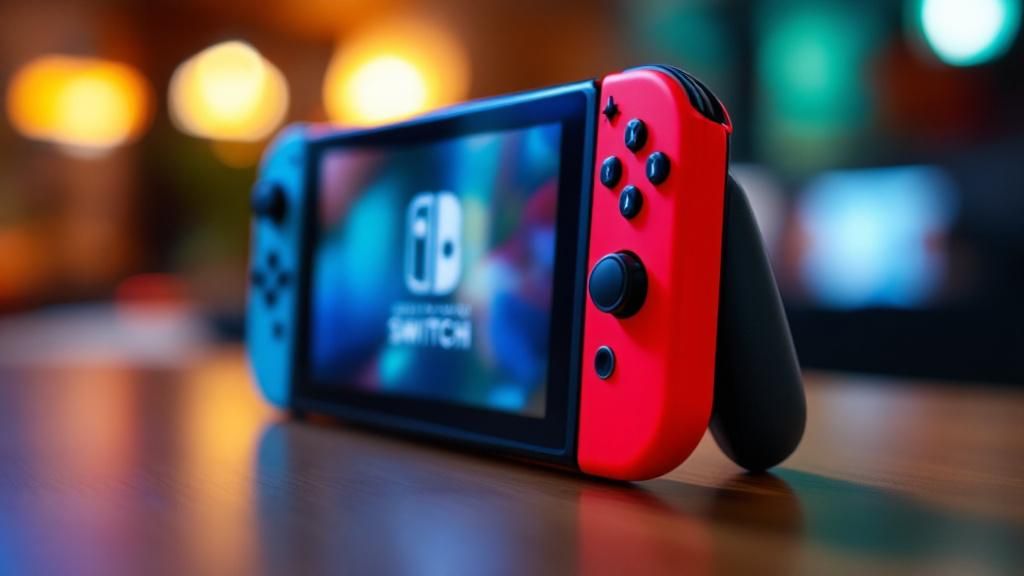
Nintendo has achieved a notable feat in the gaming industry as the Switch console exceeds unprecedented sales figures worldwide. This groundbreaking milestone highlights the hybrid console’s enduring appeal and leadership in the global market. From informal players to dedicated enthusiasts, the Switch’s cutting-edge architecture and expansive game library have captivated millions across continents. This article explores the reasons for this extraordinary success, assesses the console’s impact on the gaming landscape, and evaluates what this accomplishment means for Nintendo’s path forward in an increasingly competitive industry.
Notable Sales Record
The Nintendo Switch has attained a landmark achievement that solidifies its standing as one of the most successful gaming consoles in history. This accomplishment reflects years of reliable growth and enduring player support in Nintendo’s innovative console design. The success reflects not only impressive sales figures but also the platform’s extended lifespan in an industry where product replacement cycles usually takes place at a swift pace. Analysts credit this sustained success to the Switch’s versatile design, allowing seamless transitions between handheld and docked gaming modes.
This landmark accomplishment highlights the substantial impact the Switch has had on the global gaming landscape since its release. The console has transcended traditional gaming demographics, appealing to both leisure players and serious gamers alike. Market observers recognise that the Switch’s triumph has substantially changed player expectations concerning gaming adaptability and transportability. This landmark serves as a tribute to Nintendo’s innovative vision and their commitment to delivering superior gaming enjoyment across diverse player preferences and lifestyles.
Market Leadership
The Nintendo Switch’s market leadership in the global gaming market is difficult to overstate, as it continues to outperform competitors and sustain substantial market position across multiple regions. This dominant standing demonstrates the console’s widespread popularity and the quality of its gaming library, which features titles for every conceivable genre and experience level. The Switch’s market leadership transcends mere sales numbers; it has significantly influenced industry trends and determined how other console makers tackle console technical specifications. Publishers worldwide favour Switch releases, acknowledging the platform’s commercial viability and dedicated user base.
The console’s continued market leadership reflects Nintendo’s strategic acumen in grasping what players want and delivering products that connect across markets. Unlike past gaming eras where market preferences varied considerably, the Switch has reached exceptional balance across North America, Europe, and Asia-Pacific markets. This global uniformity underscores the console’s inclusive design approach and the cultural neutrality of its gaming experiences. The achievement demonstrates Nintendo’s capacity to stay competitive whilst competitors grapple with market saturation and evolving market tastes in an rapidly digitalizing landscape.
- Switch sales reached 139 million units globally by 2024
- Console maintains leading market position among latest generation platforms
- Solid growth across North America, Europe, and Asian markets
- Sustained annual growth despite competitive pressures and market saturation
- Outstanding lifespan compared to conventional platform lifecycle projections
Impact on Gaming Industry
The Nintendo Switch’s historic sales milestone constitutes a significant moment for the gaming industry, fundamentally reshaping how manufacturers approach console market approach and hardware planning. This unprecedented achievement has encouraged competitors to evaluate their own design strategies. The dual-format’s success demonstrates that innovation and versatility resonate profoundly with modern consumers. The Switch’s market leadership has convincingly validated Nintendo’s daring shift from established hardware paradigms, setting new performance metrics for industry success and directing next-generation console creation across the sector.
Beyond commercial metrics, the Switch’s achievement has markedly reshaped the competitive landscape, forcing rival companies to accelerate their own development efforts and strategic adjustments. The console’s international expansion has expanded the gaming market substantially, attracting demographics traditionally marginalised in console gaming. This growth has stimulated software development resources, fostered cross-device thinking, and elevated expectations regarding on-the-go play. The Switch’s impact reaches across the broader market, influencing aspects including retail strategies to game releases and player expectations regarding hardware performance.
Consumer Tastes Change
Contemporary game players have shown a marked preference for adaptability and ease of use, qualities that the Nintendo Switch embodies exceptionally well. The console’s portability addresses changing lifestyle needs, allowing gaming in various settings and circumstances. This shift mirrors broader societal trends towards mobile-first experiences and on-demand entertainment. Players increasingly value the ability to smoothly switch between portable and stationary play options, prioritising versatility alongside performance metrics. The Switch’s success confirms this consumer sentiment, cementing portability as a critical consideration in upcoming console innovation and planning.
The console’s attraction transcends traditional gaming demographics, drawing in families, casual players, and lifestyle-focused consumers who previously stayed on the margins to console gaming. This encompassing methodology has fundamentally altered segmentation approaches and demographic focus strategies across the industry. Manufacturers now acknowledge that gaming experiences must accommodate varied usage scenarios and consumer preferences. The Switch’s achievement demonstrates that players actively choose devices providing varied operational capabilities and customisable entertainment features. This paradigm shift has fundamentally reshaped industry expectations regarding user preferences and acquisition choices.
- Portability and flexibility represent crucial contemporary gaming requirements.
- Versatile gaming devices appeal to diverse demographic segments effectively.
- Informal play opportunities engage newly emerging consumer markets.
- Flexible device architecture influences purchasing decisions significantly.
- Multi-device compatibility enhances overall consumer satisfaction substantially.
Future Prospects and Innovation
Nintendo’s remarkable achievement with the Switch console places the company strategically for ongoing growth and innovation. The record-breaking sales milestone demonstrates sustained consumer confidence in the platform, providing Nintendo with considerable resources for research and development. Looking ahead, the company faces an exciting opportunity to expand on this success whilst sustaining the momentum that has shaped the Switch era. Industry analysts anticipate that Nintendo will utilise this achievement to investigate advanced platforms and gaming experiences that could revolutionise portable gaming.
The gaming sector keeps developing at pace, with players seeking more sophisticated graphics, faster processing speeds, and creative game mechanics. Nintendo’s proven ability to balance cutting-edge technology with accessible design sets it up nicely for competitive battles ahead. The company’s focus on producing lasting impressions rather than pursuing raw performance metrics has proven effective with international players. This philosophy, alongside the Switch’s commercial success, points to the fact that Nintendo’s future projects will prioritise innovation whilst upholding the accessible strategy that has defined their recent strategy.
Next Generation Development
Speculation concerning the next Nintendo console iteration has grown following the Switch’s extraordinary success. Industry insiders indicate that Nintendo is examining advanced hardware capabilities whilst maintaining the hybrid functionality that revolutionised portable gaming. The company’s research teams are reportedly investigating improved computational capabilities, better visual performance, and extended battery life technologies. These developments could bring unprecedented gaming experiences whilst preserving backward compatibility with the comprehensive Switch library. Nintendo’s commitment to innovation suggests that upcoming reveals will generate considerable excitement amongst player communities worldwide.
The shift from one console generation to the next presents both challenges and opportunities for Nintendo. The company must manage introducing compelling new features with respecting the considerable investment existing Switch owners have made in their game libraries. Industry observers anticipate a gradual rollout strategy that extends the existing platform’s longevity whilst building anticipation for upcoming innovations. Nintendo’s track record to generational transitions demonstrates thoughtful balance to consumer interests and market dynamics. This calculated method has repeatedly demonstrated effective in maintaining customer loyalty and market leadership throughout successive generations.
Projected Features and Technologies
- Improved processing capabilities delivering superior visual quality and speed
- Cutting-edge display technology with superior colour accuracy and refresh rates
- Extended battery life through innovative power management systems
- Expanded online services with improved cloud gaming support
- Full backward compatibility confirming existing game libraries remain completely operational
